Subscribe to newsletter
Subscribe to our newsletter and get updates on the newest posts we release.
By subscribing you agree to our Privacy Policy


Getting locked out of a Cannon safe can be stressful, especially when you need quick access to important documents, jewelry, cash, or other valuables. In many cases, the safe is not actually broken. The issue may be something simpler, like a low battery, a keypad problem, too many incorrect code attempts, or a programming mistake. Cannon’s manuals also point out that different lock types can behave a little differently, so the best first step is to stay calm and troubleshoot carefully. If you need professional help with your own safe, Keyzoo offers emergency safe lockout service and also explains the process in its guide on whether a locksmith can open a safe.
Whether your safe will not open, the keypad keeps beeping, the battery may need replacing, or you need to update the code, this guide walks through the most common causes and the safest next steps. Because Cannon lock types can vary, it also helps to keep the official Cannon user manuals page and Cannon FAQ page open while you troubleshoot.
1. Check whether your Cannon safe is in lockout mode
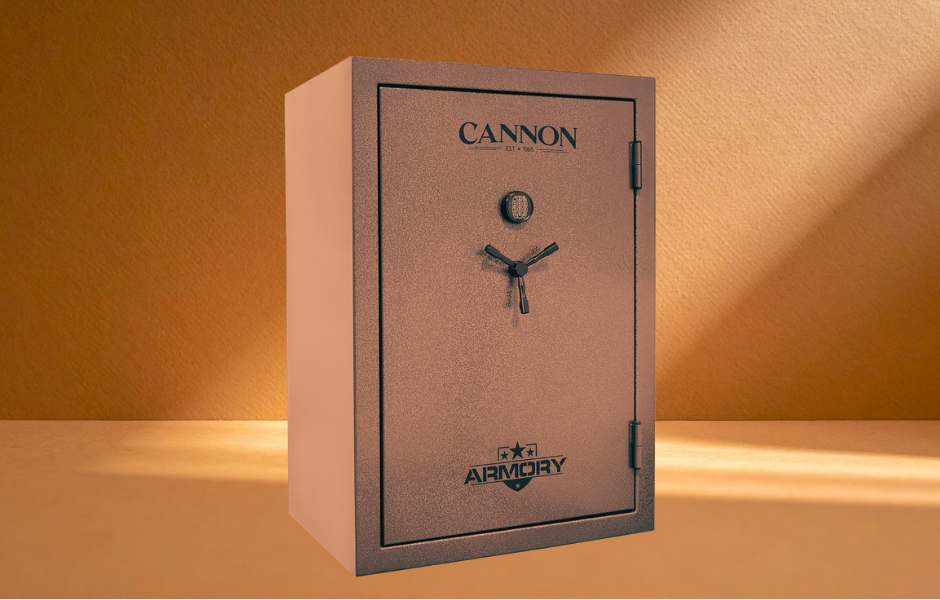
One of the most common reasons a Cannon safe becomes inaccessible is repeated wrong-code entry. Cannon’s owner materials say that after 4 invalid code entries, the safe goes into lockout mode for 5 minutes. If, after that period, 2 more invalid codes are entered, it goes into lockout mode again. In other words, the standard lockout period listed in Cannon’s manuals is 5 minutes per cycle. If you want to review the official instructions yourself, Cannon covers this in its owner’s manual and related lock-specific documents on its manuals page.
If the keypad seems unresponsive right after several failed tries, do not keep pressing buttons. Wait the full lockout period, then try again slowly and carefully. If it keeps happening even when you believe the code is correct, that is usually a sign to pause, confirm the exact lock instructions, and avoid turning a simple mistake into a bigger access problem.
2. Listen closely to the beeps
If the safe is beeping, the pattern matters. Cannon’s manuals say a long beep after entering the code can mean the code was not recognized, often because it was entered too quickly or incorrectly. They also note that some locks may repeatedly or continuously beep during unlocking as a low-battery warning. Cannon also has a separate support article on constant beeping that explains other possible causes, including battery-related issues and keypad reset behavior.
That means beeping does not automatically mean the safe has failed. It may simply mean:
-
the code was entered incorrectly,
-
the keypad battery is low,
-
or the lock is warning you before battery failure.
Before assuming the worst, treat the beep pattern as a clue. It often points you toward the real issue.
3. Replace the battery before assuming the safe is malfunctioning
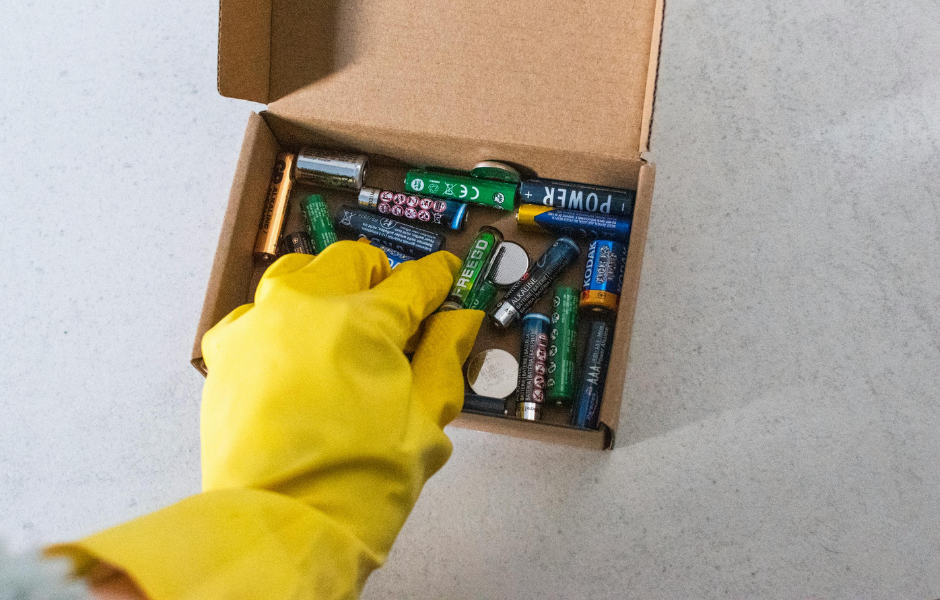
A weak battery is one of the biggest reasons people suddenly cannot get their safe open. Cannon’s documentation says many of its electronic locks use one 9V alkaline battery, and one instruction sheet says that under normal use, the battery may last about 1 year. Cannon also recommends using Duracell or Energizer 9V alkaline batteries with long expiration dates, and some manuals suggest changing the battery every 6 months as preventive maintenance. The company’s warranty and support materials also emphasize regular battery replacement so a weak battery does not create problems at the worst possible time. You can review those details in Cannon’s owner’s manual, its instruction sheet, and its warranty page.
Battery location varies by lock, but Cannon’s manuals describe battery trays either on the bottom of the keypad or behind removable keypad components, depending on the model. They also caution users not to pull on the wires when disconnecting the battery. If you are not sure which lock you have, Cannon’s manual finder can help you identify the right instructions before you start.
If the safe is beeping during unlock attempts, replacing the battery is one of the safest first checks. And if that does not solve the issue, it still helps rule out one of the most common causes before you move on to code and lockout troubleshooting.
4. Enter the code slowly and exactly
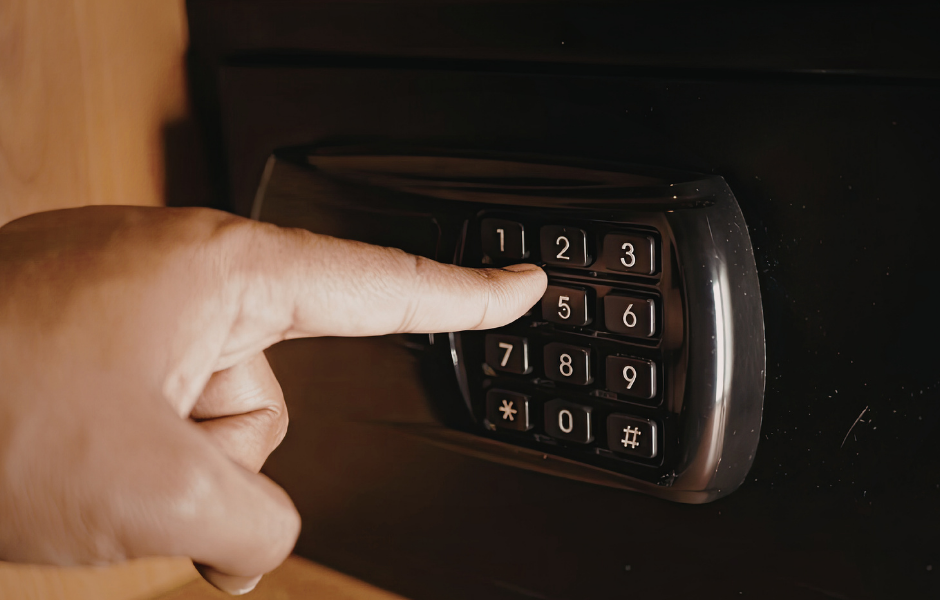
If the safe still will not open, the issue may be how the code is being entered rather than the code itself. Cannon’s owner materials repeatedly instruct users to enter the 6-digit code slowly. The manual notes that accepted entries produce confirmation beeps, while a long beep can mean the code was not recognized. That guidance appears in Cannon’s owner’s manual for several electronic lock styles.
This matters more than many people realize. Under stress, it is easy to rush the keypad, hit digits too fast, or accidentally press the wrong number. Before assuming the lock has failed, try again carefully after waiting out any lockout period. One calm, slow retry is often more effective than several rushed attempts in a row.
5. Confirm whether you are using the correct current code
Many Cannon manuals state that the factory preset code for certain locks is 1-2-3-4-5-6, and that it should be changed before regular use. But once it has been updated, the active code is whatever the owner programmed. Cannon’s official FAQ page and video library also point users to lock-specific code-change instructions because not every keypad style works the same way.
Sometimes what seems like a lockout is really just a code mismatch. Someone may have changed it and forgotten to mention it, or the safe may have been bought secondhand, inherited, or recently reconfigured. That is why it is worth double-checking the current code history before assuming something mechanical is wrong.
6. How to change code on Cannon safe
For Cannon electronic locks covered in its manuals, changing the code generally requires the safe to be open, and Cannon says you should test any new code with the door open before closing it. One Cannon programming sequence for certain locks is:
-
open the safe and leave the door open,
-
press and hold 0 until there is a double beep,
-
enter the existing code,
-
enter a new 6-digit code,
-
re-enter the new 6-digit code,
-
then test it with the safe still open.
Another Cannon/SecuRam instruction sheet shows a different programming flow for some models, starting with entering 0 six times, then the existing code. That is a good reminder that lock programming can vary by model. Cannon’s SecuRam addendum, FAQ page, and programming videos are useful references if your keypad does not match the steps in a general manual.
The safest approach is to follow the exact manual for your specific lock model and test the new code before shutting the door. If you are not completely sure which sequence applies to your safe, avoid trying random keypad combinations while the door is closed.
7. Why your Cannon safe won’t open even with the right code
If the safe still will not open even after replacing the battery and entering the code carefully, a few other possibilities remain. Cannon’s materials note that some locks require an extra physical step after code entry, such as turning the dial or moving the handle immediately after the code is accepted. On some models, after accepted code entry you may need to rotate a mechanical dial clockwise until it stops, then turn the handle to open. Cannon outlines these lock-type differences in its owner’s manual and on the manual selection page.
So the problem may not be the code itself. It may be that:
-
the battery is still weak,
-
the keypad accepted the code but the handle or dial step was missed,
-
the safe is still in lockout mode,
-
or the wrong programming instructions are being used for that model.
That is why confirming the exact model and lock type matters so much before assuming there is a mechanical failure.
8. What to do if the safe keeps beeping after a battery change
If you replaced the battery and the beeping continues, that can point to a few different issues:
-
the new battery may be weak or incompatible,
-
the connector may not be seated properly,
-
the code may still be entered incorrectly,
-
or the safe may be in a fresh 5-minute lockout countdown after repeated failed attempts.
Cannon’s SecuRam addendum also notes that removing the batteries does not cancel the lockout countdown. After reinstalling them, the keypad continues counting down until the 5-minute lockout expires. That is an easy detail to miss when troubleshooting in a hurry. Cannon also addresses persistent beeping on its constant beeping support page, which is worth reviewing if the noise continues even after a fresh battery is installed.
9. Keep your manual and safe details outside the safe
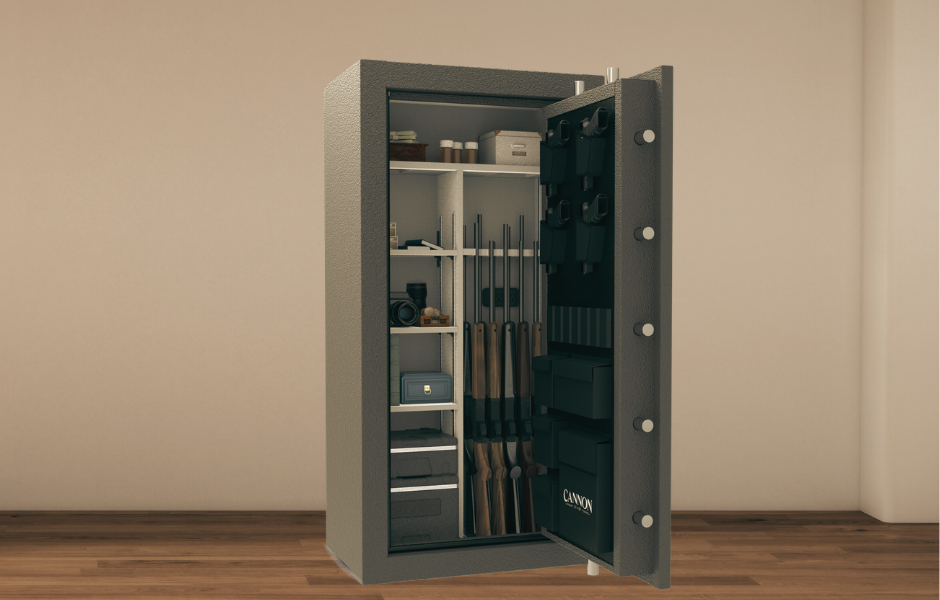
Cannon recommends recording the serial number, model number, and purchase details, and keeping important documentation somewhere secure outside the safe. The company’s FAQ materials say the serial number is typically found on the outside body wall, and the model number is located on the door. If you ever need support, Cannon’s contact page and replacement key request page are much easier to use when you already have that information available.
That makes a big difference during a lockout because support or a locksmith may need model-specific details before guiding you to the next step. It also saves time if the issue turns out to involve a key, lock type, or ownership verification rather than a programming problem.
10. When to call a locksmith for a Cannon safe lockout
If you have entered the correct code slowly, replaced the battery properly, waited out lockout mode, and followed the right opening sequence for your model, it may be time to call a professional. That is especially true if:
-
the safe still will not open,
-
the keypad appears unresponsive,
-
the handle or dial is not behaving normally,
-
or you are not certain which lock model you have.
For your own safe, professional help is often the safest next step because it reduces the risk of making the problem worse through repeated incorrect entries or by forcing parts that should not be forced. If you need help regaining access to your safe, Keyzoo offers emergency safe lockout service. Readers who want more background can also check this Keyzoo article about how locksmiths open safes. If the issue is broader than a safe-only problem, Keyzoo also has a general 24/7 emergency locksmith page.
A Cannon safe lockout does not always mean the safe is broken. Very often, the cause is a low battery, the normal 5-minute lockout mode, code entry that was rushed, or confusion about how the code works on that specific model. Cannon’s official materials support checking the battery, listening to the beep pattern, entering the code slowly, and following the exact model instructions before assuming a major failure. If you are troubleshooting on your own, Cannon’s manual library, FAQ page, and beeping support article are some of the best external references to keep open while you work.
If your safe still will not open, the safest move is to troubleshoot carefully and stop before repeated attempts create more delay or frustration. And if you need help regaining access to your own safe, visit the Keyzoo homepage or go directly to our safe lockout service page for help.