Subscribe to newsletter
Subscribe to our newsletter and get updates on the newest posts we release.
By subscribing you agree to our Privacy Policy


A self-service key machine can copy a key you already have. Making one from nothing is a different job.
You are down to one car key. Maybe the spare disappeared years ago, or the only key you own just snapped in your hand. The first price you find is almost always the dealer price, and that is the highest one on the list. Two miles away there may be a key machine inside a store that does the same job for a third of the money. Or it may not be able to touch your car at all, and you will not know until you get there.
I am Eli Itzhaki. I have been cutting and programming car keys for more than 25 years, first in New York and now around the country. By the end you will know which places can make your kind of key, what each one costs, why somebody will ask you to prove the car is yours, and the five mistakes that waste an afternoon.
The short answer
You can get a car key made at a self-service key kiosk, a hardware store key counter, an auto parts store, an automotive locksmith, or a car dealership. Which of those five works for you comes down to two things: what kind of key you have, and whether you still have one that works.
Key takeaways
You still have a working key, and it is a plain metal key or a chip key. A kiosk or a store counter is the cheapest spare. Figure on $2 to $6 for a plain key, and roughly $40 to $170 for a chip key.
You lost every key, or you drive a push-to-start car. Copy machines are the wrong tool. That job needs equipment that plugs into the car, so you want an automotive locksmith or the dealer.
Somebody is going to ask for identification. A photo ID and the vehicle registration are the normal request. A shop that never asks should worry you.
The dealer is the priciest option on almost every car. For the same work, a locksmith usually lands 30 to 50 percent lower.
How I know this: those two questions sort nearly every call that comes into my shop, before I even ask what the car is.
Start with the question that decides everything
Before you look up a single address, answer this: do you still have a car key that works? That answer splits every key job into two very different kinds of work.
Copying a key means a machine reads the key you already have, cuts a matching blank, and copies the small chip inside the plastic head. Nothing has to talk to your car, because the new key is a twin of the old one. It is fast and cheap.
Making a key from scratch has its own name. Locksmiths call it originating. There is no key to copy, so the cuts come from the car itself or from the manufacturer. Then the car has to be told to accept a key it has never seen. That part needs a tool plugged into the car, and on most vehicles built in the last ten years it also needs a security code bought from the manufacturer.
From a kiosk or a store counter you can get a copy, while from a locksmith or a dealer you can get either one. That is the whole reason people waste trips.
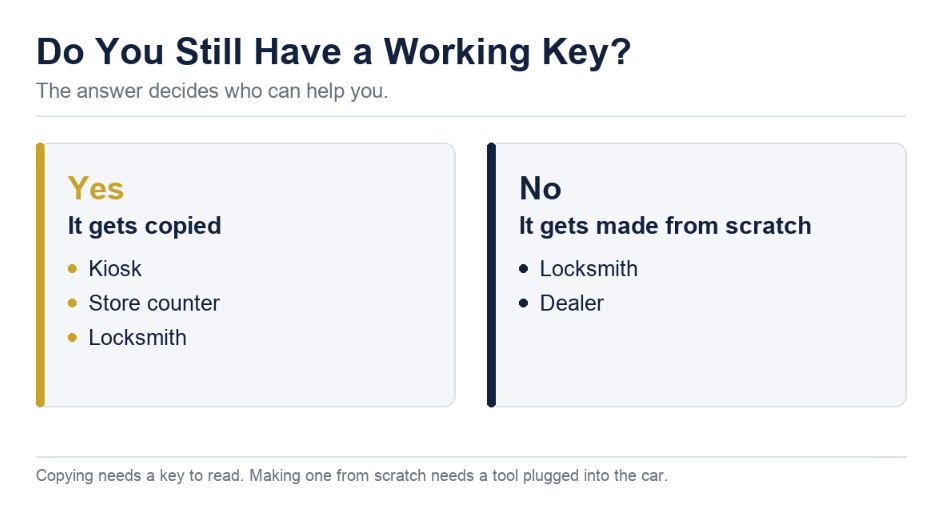
Figure 1. The one question that decides where you can go.
The five kinds of car keys, and what each one needs
Look at your key before you look at your options. Almost every car key falls into one of five groups, and the group decides who can help you.
Plain metal key. Flat, no plastic head, no chip. Mostly cars built before the late 1990s. Any key machine anywhere copies it for a couple of dollars.
Chip key, also called a transponder key. A metal blade with a fat plastic head, and a small chip hidden in that head. When you turn the key, the car checks the chip, and if the number is wrong the engine will not start. Cut the blade alone and you get a key that opens the door and does nothing else.
Remote head key. Same as a chip key, except the buttons that lock and open your doors sit in the plastic head instead of on a separate remote.
Laser cut key, sometimes called a sidewinder. The blade is thicker, with a wavy groove milled down the middle of the face instead of teeth along the edge. These need a pricier cutting machine, so plenty of counters cannot do them at all.
Smart key or proximity fob. No blade you use day to day, though many hide a small emergency blade inside. You keep the fob in your pocket and press a button to start the car.
That last one confuses people, because it does not look like a key. Federally it is one. The motor vehicle safety standard on theft protection, 49 CFR 571.114, defines a key as "a physical device or an electronic code" that lets the driver start the engine. The same rule makes every manufacturer build at least 1,000 different key combinations for each vehicle type, or one for every vehicle of that type it builds, whichever number is smaller. Your key was made for your car.
Top 5 places to get a car key made
Here they are in the order I would try them, assuming you still have a key to copy. If you do not, jump to number four.
1. A self-service key kiosk
These are the standing machines you have walked past in a grocery store or a home improvement aisle. A camera scans the key you feed it, the machine picks a matching blank and cuts it, and for many chip keys it copies the chip too. On newer machines you hold your fob against a reader so it can copy the chip number, and the finished key gets mailed to you.
Kiosks are having a moment. In a May 12, 2026 announcement, the kiosk company KeyMe said it is adding machines to more than 600 Sam's Club Tire and Battery Centers, on top of a network it puts at more than 8,000 kiosks. The company says its machines cover 87 percent of the vehicles on the road, or more than 40,000 combinations of make, model and year.
Good for: a cheap spare, on your own schedule, with nobody to book.
Where it stops: most retail machines need a working key to copy. Push-to-start fobs often still need a technician at the car to finish, because a machine in an aisle cannot tell the car about the new fob. Laser cut and high security blades are not stocked everywhere either.
One more thing catches people out. A kiosk is not a 24 hour cash machine. It sits inside somebody else's business, so you get in when that business is open.
2. A hardware store or big box key counter
This is the pegboard of blanks and the machine behind the counter, run by a person instead of by you. For house keys it is the best deal in town. For car keys it is uneven, and that unevenness is the problem.
Some locations cut and copy chip keys. Plenty only cut the metal. You walk out with a key that opens the door and turns in the ignition while the engine refuses to start. That is not a broken key and it is not the store's mistake. The blade was cut, the chip was never copied, and those are two separate jobs.
Call the specific store first and ask two questions: can you copy a chip key, and do you stock a blank for my year, make and model.
3. An auto parts store
Many parts chains cut keys and sell fobs, and some copy a basic chip key while you wait. Prices usually run a little under the hardware store for the same work. There is one extra trap. A parts store will happily sell you a blank fob off the shelf, but selling it and programming it are different services, and the second one is not on offer at most counters.
4. An automotive locksmith
This one covers every case, including the case where you have nothing left. A mobile automotive locksmith carries the cutting machine and the programming tool in the van, so the work happens where the car is parked. If your only key is at the bottom of a lake, this is the call to make.
A locksmith can cut a key from the car's own lock or from the manufacturer's code, program a fob to the car, and get a push-to-start vehicle running again without towing it. On most vehicles a good one does that for well under the dealer price, and with no tow bill. Ask whether the quoted price includes the programming, not just the key. That one question prevents most of the billing arguments I hear about.
5. The dealership
The dealer can always do the work, and on a small number of vehicles the dealer is the only one who can. Manufacturers keep tightening who may reach the security side of the car, and on certain recent models the aftermarket tools cannot get in yet.
You pay for that certainty three ways: the highest price on the key, an appointment instead of same day service, and a tow if the car cannot be driven there. Call a locksmith first and let them tell you whether your car is one of the dealer-only ones. On most cars it is not.
What a car key costs in 2026
These are the national ranges I see as of August 2026. They are estimates, not quotes. Prices move with your city, your vehicle, and the time of day you call, so get a written price before anyone starts cutting.
Where you go | Plain metal key | Chip key copy | Remote head or laser cut | Push-to-start fob |
|---|---|---|---|---|
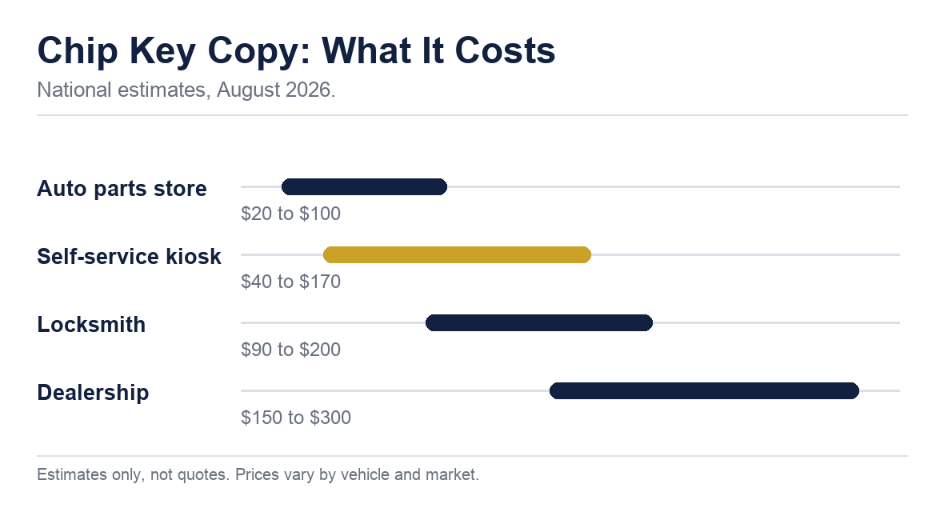
Figure 2. Chip key copy price ranges, national estimates as of August 2026.
Two numbers are worth staring at. A spare chip key copied from your good key costs a fraction of the same key once every key is gone, because the second one is a different job. And on a push-to-start car, the gap between the locksmith and the dealer is often bigger than the fob itself. For the lost-key side of this, see my guide to replacing lost car keys in 2026.
Why you will be asked to prove the car is yours
Nobody should hand you a working key to a car without checking that the car is yours. Done properly, it looks like a request for a photo ID and the vehicle registration, with the name and the vehicle identification number matching up.
There is a real system behind that request. The National Automotive Service Task Force is a nonprofit set up in 2000 by the automakers and the independent repair industry. It runs a program called the Secure Data Release Model, and any locksmith who wants key codes, immobilizer resets, or programming access has to register with it first. By the task force's own published requirements, that registry is open only to licensed businesses with a federal taxpayer identification number, in good standing, and mainly in the business of serving the registered owners of the vehicles they touch.
Thieves have started using programming tools to make themselves keys, and on May 11, 2026 the task force answered that with numbers. It reported more than 471,000 secure transactions by registry members over the past year, and spelled out what the system asks of a shop: business validation, a criminal background check, proof of professional standing, and proof that the vehicle owner authorized the work.
So being asked for paperwork is a good sign. It means you found somebody working inside the system. A company that offers to make you a key with no questions asked is showing you one of the warning signs in my post on how to spot a fake locksmith.
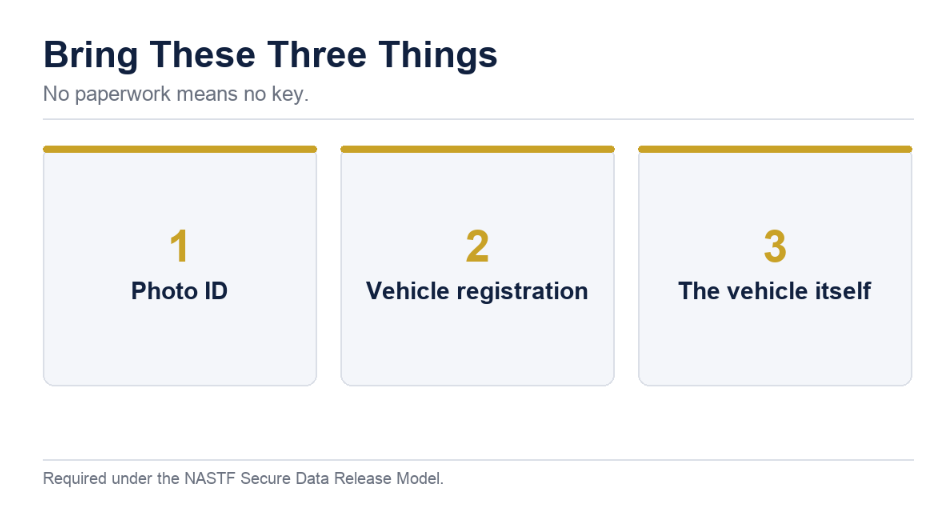
Figure 3. What a legitimate shop will ask you to produce.
Five mistakes that turn a key job into a wasted trip
Driving to a machine without checking it stocks your blank. Coverage is by year, make and model, and it is genuinely uneven. Look your vehicle up on the kiosk network's own website before you go.
Assuming cutting and programming are one service. They are two, and only some places do both. Ask which one you are buying.
Waiting until the last key is gone. This is the expensive one. A copy made while your key still works costs a fraction of a key made from nothing, and it takes minutes instead of a morning.
Showing up with no paperwork. No photo ID and no registration means no key at any legitimate shop. Keep a photo of the registration on your phone.
Buying a cheap fob online first. I get these calls every week. Plenty of bargain fobs sold online are used, locked to another vehicle, or refuse programming, and then you have paid twice.
Frequently asked questions
Can a store make a car key without the original?
Generally no. Retail key machines and counters copy from a key you hand them. With no key to read, the cuts have to come from the car or the manufacturer, and then the car has to be programmed to accept the new key. That is locksmith or dealer work.
Can a hardware store copy a car key with a chip in it?
Some locations can and many cannot, and it varies store by store inside the same chain. Call the exact store, give the year, make and model, and ask whether they copy the chip or only cut the metal.
Can I get a car key made the same day?
Usually yes. A mobile locksmith is same day work by design, and a kiosk copy takes minutes if the blank is in the machine. Same day is least likely at the dealer, where key work normally goes on the service schedule.
How long does it take to make a car key?
A plain key copy takes a minute or two, and a chip key copy about five to fifteen minutes. Making a key from scratch for a car with no working key usually runs 30 to 60 minutes on site, longer if a security code has to be ordered from the manufacturer.
Can a key be made from the vehicle identification number?
Yes, and that is normal practice when no key exists. The number lets a registered locksmith or the dealer request the right key code from the manufacturer. It is also exactly why they have to verify you own the vehicle first.
The bottom line
Match the place to the key. Working metal or chip key in hand, and a kiosk or store counter gets you a cheap spare, as long as you check first that they stock your blank. Push-to-start car, or every key gone, and you go straight to an automotive locksmith. That is the whole decision.
Need a car key made?
Keyzoo runs self-service key kiosks that create a brand new car key, not only a copy. First you find a kiosk location near you that supports your make and model. At the machine you enter your details and pay. Then you prove the car is yours by uploading your driver's license and registration, either right there or through a link we text you. When the key is ready you get a text and an email, and you bring your identification to pick it up. See how our kiosks work, step by step.
Whatever the machine cannot do, our licensed technicians handle 24 hours a day across 11 states. That includes a new car key when every key is gone, key and fob programming, key copying at your car, and car lockouts. Prices are flat, with no hidden fees. Book now and enter your zip code to see what your job costs before anyone drives out.