Subscribe to newsletter
Subscribe to our newsletter and get updates on the newest posts we release.
By subscribing you agree to our Privacy Policy


How Much Does It Cost to Rekey a Lock in NYC? (2026 Pricing Guide)
Rekeying a lock typically costs $20 to $60 per cylinder for the work, plus a $50 to $125 service call in NYC. A standard 2 to 4 door NYC apartment runs $80 to $250 total. A whole house with 5 to 8 cylinders runs $150 to $400. Rekeying is faster, cheaper, and more secure than buying new locks in almost every situation, with a handful of specific exceptions covered below. Here is the honest 2026 walkthrough of pricing, what the work actually involves, and when to rekey versus replace.
For the related question of replacing a lost car key (a different kind of "rekey"), see our companion piece, Car Key Replacement Cost in 2026.
What Rekeying a Lock Actually Means
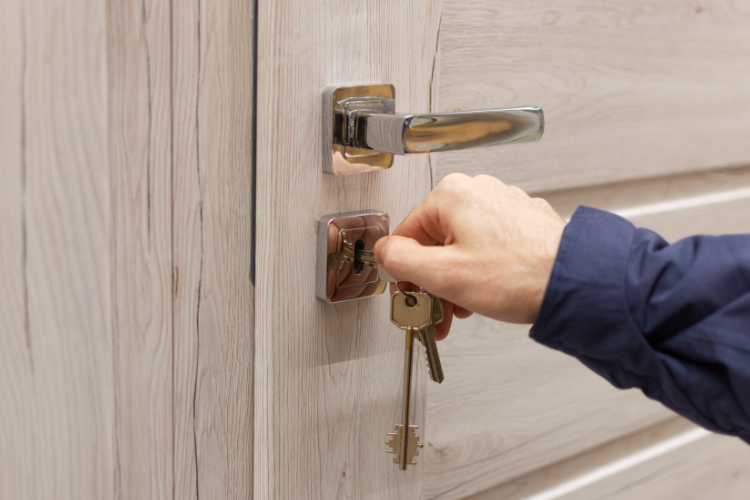
Rekeying changes the internal pin configuration of an existing lock cylinder so that an old key no longer works and a new one does. The lock body, the strike plate, the deadbolt, and the door hardware all stay. Only the small brass pins inside the cylinder get swapped out.
Practical effect: the key from the old tenant, the contractor, the ex-roommate, the property manager, all become useless. The new key the locksmith hands you is the only key that works.
Replacing a lock, by contrast, means tearing out the entire cylinder and lock body and installing a new one. Different cost (3 to 5 times higher), different time (15 to 30 minutes longer per door), and different security tradeoffs.
What Rekeying Actually Costs in NYC in 2026
Pricing is built from three things: the service call, the per-cylinder labor, and any extra hardware.
NYC locksmith service call
Cost: $50 to $125
The flat fee for the locksmith to come to your address. Manhattan and Brooklyn typically run higher ($75 to $125), Queens, Bronx, and Staten Island lower ($50 to $90). After-hours, weekends, and emergencies add 25 to 50 percent.
Per-cylinder rekey labor
Cost: $20 to $60 per cylinder
The actual work of pinning the cylinder. A standard 5-pin Schlage or Kwikset takes 10 to 15 minutes per cylinder. A 6-pin or 7-pin commercial cylinder takes 15 to 25 minutes. High-security brands (Medeco, Mul-T-Lock, Abloy) cost more because the pins are more expensive and the equipment is more specialized ($75 to $150 per cylinder).
Total cost to rekey a lock by NYC home type
Real 2026 NYC pricing:
|
Home Type |
Cylinders |
Total Cost |
|
Studio or 1-bedroom apartment |
2 |
$90 to $245 |
|
2-bedroom apartment |
3 |
$110 to $305 |
|
3-bedroom or large apartment |
4 |
$130 to $365 |
|
Townhouse or small house |
5 to 6 |
$150 to $400 |
|
Large house or small multi-unit |
7 to 8 |
$200 to $500 |
These totals assume standard residential cylinders and a single new key per lock, with all cylinders keyed alike (one key opens everything). Want separate keys for separate doors? That is fine, but it adds a few dollars per cylinder in setup time.
What can push the rekey price higher
A few common NYC situations move you toward the top of the range, or past it:
- High-security or restricted cylinders. Medeco, Mul-T-Lock, and Abloy run $75 to $150 per cylinder instead of $20 to $60.
- After-hours and emergency calls. Nights, weekends, and same-hour lockouts add 25 to 50 percent to the service call.
- Worn or damaged cylinders. A cylinder that is gummed up, corroded, or partially seized may need cleaning or replacement before it can be rekeyed.
- Walk-up access and parking. Some NYC locksmiths fold the realities of no elevator or no parking into the service call. Ask up front.
- Extra copies of the new key. The first key is included. Additional copies usually run $3 to $8 each for standard keys, more for high-security keys that are cut on restricted blanks.
Rekey vs. Replace: Which One Do You Actually Need?
This is the question that decides whether you spend $90 or $400. The short version: rekey unless the lock is broken, outdated, or you specifically want a different lock. Here is the honest breakdown.
When rekeying is the smarter, cheaper call
- You just moved into a new apartment or home and want the previous occupant's keys to stop working.
- You lost a key, or you have lost track of how many copies are floating around.
- A roommate, ex, contractor, dog walker, or former employee had a key and you want them locked out.
- You want several doors to open with one key (keyed alike), and the existing locks are good quality.
- The locks themselves are in good shape and not that old. There is no reason to throw away working hardware.
When you should replace the lock instead (the exceptions)
- The lock is damaged or worn out. Sticky, loose, hard to turn, or rusted internals are not worth rekeying. Replace them.
- You want a security upgrade. Moving from a basic builder-grade lock to a Grade 1 deadbolt or a high-security cylinder means new hardware, not a rekey.
- You are going smart or keyless. Smart locks, keypads, and fobs are a replacement, not a rekey.
- Mismatched brands. If you want every door keyed alike but the locks are different incompatible brands, replacing a couple of them is often cheaper than fighting it.
- After a break-in where the door or lock was forced. If the cylinder or housing was damaged during a burglary, replace it and consider a stronger grade.
Quick comparison:
|
Factor |
Rekey |
Replace |
|
Cost per door |
$20 to $60 labor |
$80 to $250 plus hardware |
|
Time per door |
10 to 25 minutes |
30 to 60 minutes |
|
Keeps old hardware |
Yes |
No |
|
Best for |
Control who has a key |
Damage, upgrades, smart locks |
How the Rekeying Process Works, Step by Step
Knowing the steps helps you spot an honest locksmith from one padding the bill.
- Remove the cylinder. The locksmith takes the lock apart and pulls the cylinder (the part the key goes into).
- Remove the old pins. The plug comes out and the existing key pins and springs are emptied.
- Fit new pins to a new key. A fresh key is selected and the cylinder is repinned so only that cut pattern works.
- Reassemble and test. The cylinder goes back in the door, and the locksmith tests the new key several times and confirms the old key no longer turns.
- Cut your copies. Any extra keys are cut on the spot.

How Long Does It Take to Rekey a Lock in NYC?
Each standard cylinder takes about 10 to 15 minutes once the locksmith is at your door. A typical 2 to 4 door apartment is done in 30 to 60 minutes start to finish, including the new keys. A full house with 5 to 8 cylinders usually wraps in 60 to 120 minutes. The travel time to reach you across NYC traffic is often the longest part of the appointment, which is why a single visit for all your doors is much more efficient than separate trips.
Can You Rekey a Lock Yourself? DIY Kits vs. a Pro
Hardware-store rekey kits exist for Kwikset (the SmartKey system) and Schlage, and they run roughly $12 to $25. They work, but only for that one brand, only if you already have a working key, and only on the simplest residential cylinders. The catch in NYC is that most apartment and brownstone doors carry multiple locks, sometimes from different brands, and often higher-security cylinders that no consumer kit covers. You can also easily lose tiny pins and springs on the floor, leaving you with a dead lock and a service call anyway.
The honest math: if you have one basic Kwikset deadbolt and the original key, a DIY kit can save you the service call. For anything more than that, a pro doing every door in one keyed-alike visit usually costs less per lock and comes with the work guaranteed. Manufacturers like Kwikset publish the compatibility details for their rekey systems, so check that your exact lock model is supported before buying a kit.
Rekeying for NYC Renters, Owners, and Landlords
Who pays, and who is allowed to rekey, depends on your situation:
- Renters: Check your lease before changing anything. Many NYC leases require the landlord's written approval to alter locks, and some require you to provide the building with a copy of the new key. If you feel unsafe (after a break-in, stalking, or domestic situation), document the request to your landlord in writing.
- New owners and co-op or condo buyers: Rekey on day one. You have no idea how many keys the prior owner, their cleaners, or their contractors still hold. It is the single cheapest security move you can make after closing.
- Landlords: Rekeying between tenants is far cheaper than replacing locks every turnover, and it keeps you compliant with the reasonable expectation that each new tenant gets a fresh key no prior tenant holds. Set up a keyed-alike or master system to cut your per-turnover cost.
Keyed-Alike and Master Key Options
While the locksmith is rekeying, you can decide how the keys are organized:
- Keyed alike: One key opens every door. Best for a single apartment or home where you want fewer keys on the ring. Usually no extra charge beyond the per-cylinder labor.
- Keyed differently: Each door has its own key. Useful when you want to give someone access to one door but not others.
- Master keyed: Individual keys open individual doors, and one master key opens everything. Common for landlords, small offices, and multi-unit buildings. Expect a setup premium of $10 to $30 per cylinder for the master pinning.
5 Ways to Keep Your NYC Rekey Cost Down
- Do every door in one visit. You pay the service call once. Splitting it across appointments is the most common way people overpay.
- Book during business hours. Skip the 25 to 50 percent after-hours premium unless it is a genuine emergency.
- Ask for a flat all-in quote. A reputable locksmith will give you the service call plus per-cylinder price over the phone. Vague "we will see when we get there" pricing is a red flag.
- Choose keyed alike. It is cheaper than master keying and means fewer keys to cut.
- Rekey instead of replace when the lock is fine. Do not let anyone talk you into new hardware on a lock that works perfectly.
When Should You Rekey? Common NYC Triggers
- You just signed a lease or closed on a new place.
- A roommate moved out, or a relationship ended.
- You lost a key, or a key was stolen along with a wallet or bag that had your address.
- A renovation, cleaning, or dog-walking service had keys and the job is done.
- After any break-in or attempted entry, even if the lock still works.
Frequently Asked Questions
Is it cheaper to rekey or replace a lock?
Rekeying is almost always cheaper, usually 3 to 5 times less per door, because you keep the existing hardware and only pay for labor. Replacement only makes sense when the lock is damaged or you want an upgrade.
Does rekeying make my lock less secure?
No. A properly rekeyed lock is exactly as secure as it was before, just with a brand new key combination that no old key matches. The security grade of the lock itself does not change.
Can any lock be rekeyed?
Most pin-tumbler locks can. Worn-out, damaged, or some proprietary high-security cylinders may need to be replaced or sent to a dealer instead. A locksmith can tell you on the spot.
Do I need the original key to rekey a lock?
A professional locksmith does not need the working key. DIY kits usually do. If you lost every key, a pro can still rekey, though it may take a few extra minutes.
The Bottom Line
For most New Yorkers, rekeying is the right move: $90 to $250 for a typical apartment, done in under an hour, with every old key rendered useless. Save replacement for damaged locks, security upgrades, and smart-lock conversions. The smartest play is to do all your doors in one daytime visit, keyed alike, with a flat quote in hand before anyone shows up.
Need it done today? Keyzoo's NYC locksmiths handle rekeys across Manhattan, Brooklyn, Queens, the Bronx, and Staten Island, with upfront pricing and same-day appointments. And if the lock you are worried about is on your car rather than your door, start with our guide to car key replacement cost in 2026.