Subscribe to newsletter
Subscribe to our newsletter and get updates on the newest posts we release.
By subscribing you agree to our Privacy Policy


Yes. Secure access to your new home on day one, ideally before your first night there. For most people the quickest fix is changing locks when moving into a new house, which usually means rekeying every exterior door so any old keys stop working, then resetting the garage and keypad codes. A licensed local locksmith can do this wherever you live, often in a single visit. Here is the short version, followed by the full day-one checklist.
Why changing the locks when moving into a new house matters
The honest reason is simple. You have no way to know how many copies of the old keys are out there, so changing or rekeying the locks before you settle in is the safest first step. A seller might hand you two keys, but that does not mean only two exist. Over the years, a house collects keys. Past owners and their kids. Real estate agents and the lockbox. Contractors, painters, cleaners, and the dog walker. Old tenants who never handed a key back. And the classic hidden spare under the mat, in a flowerpot, or on a nail in the garage. Any one of those is a stranger with a working key to your front door.
The timing matters too. Late spring through summer is the busy moving stretch in the United States. About 11 percent of Americans change homes in a given year, based on U.S. Census Bureau survey data, and moving industry reports place most of those moves between May and September. So right now a large wave of new owners and renters are holding keys to homes where they do not know who else can get in. Day one is the moment to close that gap, not the day after something goes missing.
Rekey vs replace locks in a new home (which one you need)
Most new owners only need a rekey, not brand-new locks. A rekey is when a locksmith changes the small internal pins inside your existing lock so the old key no longer works and a new key does. The lock body and the deadbolt (the strong, separate bolt above the handle that you turn with a key or thumbturn) stay right where they are. Replacing a lock means taking off the old hardware and fitting a new one. You replace when a lock is worn out, damaged, mismatched, or when you want an upgrade such as a smart lock or a higher ANSI grade (a lock strength rating set by the standards groups ANSI and BHMA, where Grade 1 is the strongest).
Rekey | Replace | |
|---|---|---|
Every figure here is a general estimate that varies by home, lock count, and local market. It is not a quote.
Should you rekey locks after buying a house? In most cases, yes. It gives you the same fresh-key security for less money and less time than a full replacement. For a deeper rekey vs replace locks new home comparison, and real pricing, see our guides on rekey vs replace your locks and the cost to rekey a lock.
The rest of the day-one checklist
Your door locks are the headline, but several other access points in the house still answer to the previous owner's codes and keys. Walk this new homeowner security checklist on move-in day, before the boxes are even unpacked.
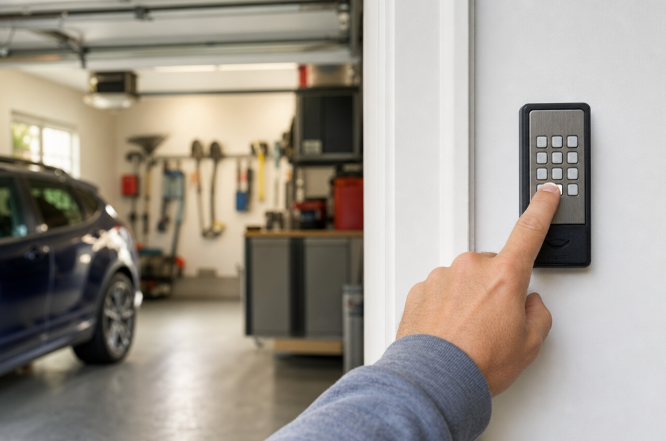
Garage door opener and keypad. The old remotes and the wall keypad code came with the house. To reset the garage door code in a new house, follow the steps in your opener's manual or on the manufacturer's website, then clear any saved remotes you did not receive. It is usually a short button-and-code sequence on the motor unit.
Smart locks and keypads. Delete every old user code and the installer code, then set codes of your own and check who still has app access. If you plan to buy one, our guide to the best smart locks for your home can help you choose.
Spare-key plan. Decide now who gets a spare and where it lives. A trusted neighbor or a proper lockbox beats a key under the mat.
Mailbox lock. If your box has a lock, the old owner may still have a key to it. A locksmith can rekey it or fit a new one. See our mailbox lock service.
Windows and sliding doors. Walk the house and test every window latch and sliding-door lock. Add inexpensive pins or security bars where anything feels loose.
Safe combinations. Inherited a wall or floor safe? You might have the old combination, or none at all. A locksmith can open it and reset it for you. See safe lockout.
What you can do yourself, and what needs a licensed locksmith
You can safely handle the low-risk items on your own, but the lock work itself belongs with a licensed locksmith. Doing a walk-through inventory of every door and window, resetting your garage and keypad codes by the manufacturer's instructions, and setting up a spare-key plan are all fine weekend jobs. Rekeying a cylinder, swapping a deadbolt, or anything that involves picking or bypassing a lock is security-critical and easy to get wrong, so hand that to a pro. A lock that looks fine after a rushed DIY attempt can still fail at the worst moment. When in doubt, call a licensed locksmith.
This is where Keyzoo comes in. Keyzoo Locksmiths is a licensed locksmith that runs 24/7 mobile service plus self-service key kiosks across many states, so a technician can come to your new place at a time that works for you, day, night, or weekend.
How fast is a home rekey, and what does it involve?
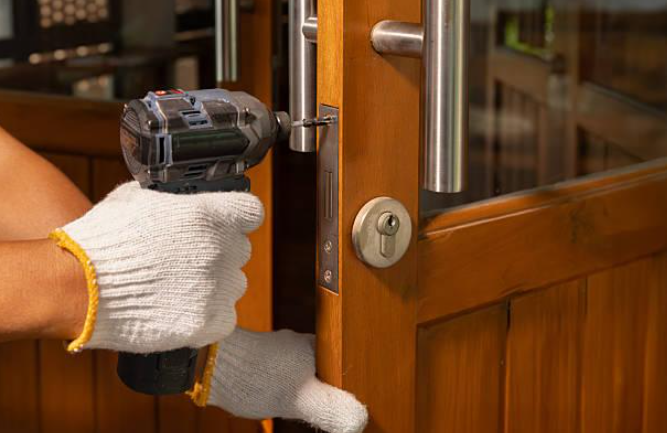
A home rekey is usually quick, often under an hour for a handful of doors, and done on-site in one visit. The locksmith checks each lock, re-pins the cylinders to a new key, hands you the new keys, and can set every exterior door to open with the same single key if you prefer. You decide how many copies you walk away with.
What it costs depends on your home, how many locks you have, and your local market, so treat any figure you find online as a rough estimate, not a quote. Always get the price in writing before any work starts. When you are ready, you can book a home rekey with a Keyzoo technician.
Key takeaways
Change or rekey every exterior lock on day one so the previous owner's keys stop working. Rekeying is usually faster and cheaper than replacing, and it gives you the same fresh-key security. Reset your garage, keypad, and smart-lock codes, then check the mailbox, windows, sliding doors, and any safe. Handle the low-risk steps yourself, and leave cylinder rekeys, deadbolt swaps, and any pick-or-bypass work to a licensed locksmith. A full home rekey is often under an hour, and a mobile locksmith can come to you.
Frequently asked questions
Should I change the locks when I move in?
Yes. You cannot be sure how many old keys are still out there, so rekey or replace the exterior locks before your first night. It is the single most effective day-one security step you can take.
Is it cheaper to rekey or replace locks?
Rekeying is almost always cheaper, because you keep your existing hardware and only pay to re-pin the lock to a new key. Replacing costs more since you are buying new locks plus labor. Ask for a written quote either way.
How do I reset a garage door code in a house I just bought?
Follow the reset steps in your opener's manual or on the manufacturer's website, usually a button-and-code sequence on the motor unit or wall panel, then clear any old remotes you did not receive. If the opener is older or you are unsure, a locksmith or garage-door technician can walk you through it.
How long does it take to rekey a whole house?
Often under an hour for three or four doors, done on-site in one visit. You can have every door keyed alike, so a single key opens them all.